
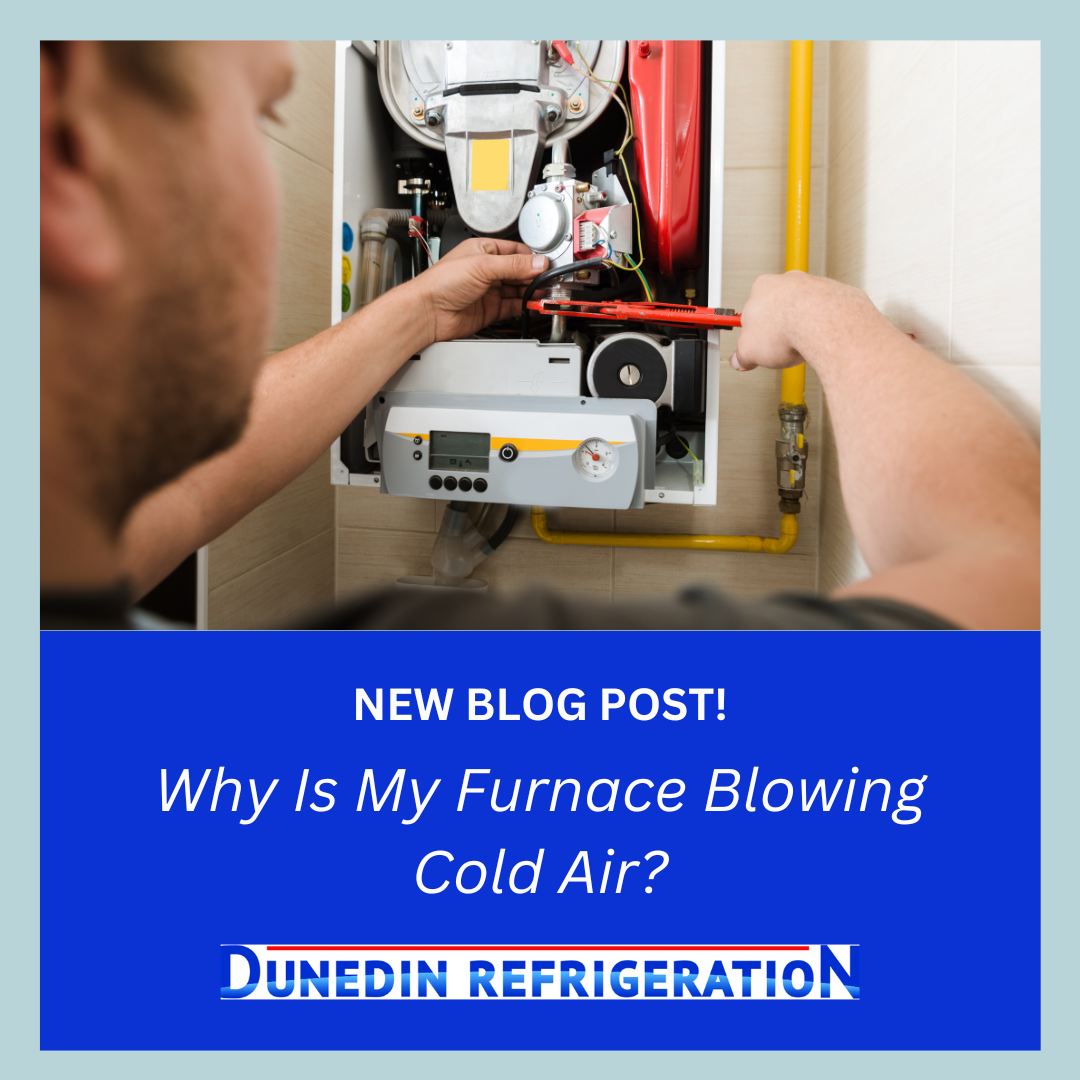
When the temperature drops, you expect your furnace to keep your home warm and comfortable. So when cold air starts coming from the vents instead of heat, it can be frustrating and concerning. If you are searching for “why is my furnace blowing cold air,” there are several possible causes — some simple, some more serious.
In many cases, the problem may be related to your thermostat settings, air filter, pilot light, gas supply, ignition system, or airflow. Other times, cold air from the furnace can point to a deeper mechanical or safety issue that requires professional heating repair.
The important thing is not to ignore it. A furnace that blows cold air may continue running without properly heating your home, which can waste energy, increase utility bills, and place extra strain on the system. This guide explains the most common reasons your furnace may be blowing cold air, what you can safely check, and when to call a local HVAC professional.
Why Is My Furnace Blowing Cold Air Instead of Heat?
Your furnace may be blowing cold air because the system is not producing heat, the blower fan is running at the wrong time, or airflow is being restricted. In some cases, the furnace may start normally but shut off the burners due to a safety issue.
Common causes include:
- Thermostat set incorrectly
- Fan set to “On” instead of “Auto”
- Dirty or clogged air filter
- Pilot light or ignition failure
- Gas supply issue
- Overheating furnace
- Dirty flame sensor
- Blocked vents or return airflow
- Leaky ductwork
- Faulty limit switch
- Electrical or control board problem
- Aging furnace components
Some of these issues are easy to check. Others should only be handled by a trained HVAC technician.
1. Check the Thermostat Settings First
Before assuming your furnace needs major heating repair, start with the thermostat. A simple setting issue can make it seem like the furnace is blowing cold air.
Make sure your thermostat is:
- Set to “Heat”
- Set higher than the current room temperature
- Not set to “Cool”
- Not set to “Fan Only”
- Working with fresh batteries, if battery-powered
- Properly programmed if it is a smart or programmable thermostat
One of the most common thermostat-related causes is the fan setting. If the fan is set to “On,” the blower may run continuously, even when the furnace is not actively heating. This means air will continue moving through the vents between heating cycles, and that air may feel cool.
For most homes, the fan should be set to “Auto.” This allows the blower to run only when the furnace is producing heat.
2. A Dirty Air Filter May Be Restricting Airflow
A dirty air filter is one of the most common furnace problems. Your filter traps dust, pet hair, pollen, and other airborne particles. Over time, it can become clogged and restrict airflow through the system.
When airflow is restricted, the furnace may overheat. As a safety measure, the system may shut off the burners while the blower continues running. This can cause cold or room-temperature air to come through the vents.
Signs of a dirty air filter include:
- Weak airflow from vents
- Furnace blowing cold air
- Furnace turning on and off frequently
- Higher energy bills
- More dust around the home
- Furnace shutting down unexpectedly
- Uneven heating between rooms
Check your filter and replace it if it looks dirty. Many homeowners should check filters monthly and replace them every 1 to 3 months, depending on usage, pets, allergies, and indoor air quality needs.
If your furnace continues blowing cold air after replacing the filter, schedule professional heating repair.
3. The Pilot Light or Ignition System May Have Failed
Older gas furnaces may use a pilot light, while many newer systems use an electronic ignition system. If the pilot light goes out or the ignition system fails, the furnace may not be able to create heat.
Possible signs of ignition problems include:
- Furnace starts but does not produce warm air
- Clicking sound without ignition
- Burner does not light
- Furnace shuts down quickly
- Cold air from vents
- Error code flashing on the furnace control board
If your furnace has a pilot light, follow the manufacturer’s instructions carefully if you know how to relight it. If you smell gas, do not try to relight anything. Leave the home and call your gas provider or emergency services immediately.
Ignition system issues should be handled by a qualified HVAC technician. These components involve gas and electrical parts, so professional diagnosis is the safest option.
4. The Furnace May Be Overheating
It may seem strange, but an overheating furnace can cause cold air to blow from the vents. When the furnace gets too hot, safety controls may shut down the burners to prevent damage or unsafe operation. The blower fan may continue running to cool the system down.
Common causes of furnace overheating include:
- Dirty air filter
- Blocked vents
- Closed supply registers
- Dirty blower components
- Restricted return airflow
- Dirty heat exchanger
- Failing blower motor
- Poor duct design
If overheating happens repeatedly, it can damage important furnace components and shorten the life of your system. It can also create safety concerns. If your furnace keeps shutting off and blowing cold air, call for heating repair as soon as possible.
5. The Flame Sensor May Be Dirty
The flame sensor is a safety component that confirms whether the burner flame is present. If the flame sensor is dirty or malfunctioning, it may not detect the flame properly. When that happens, the furnace may shut the burners off shortly after starting.
This can leave the blower running and push cool air through your vents.
Signs of a dirty flame sensor include:
- Furnace lights briefly, then shuts off
- Short heating cycles
- Cold air from vents
- Furnace tries to restart repeatedly
- Intermittent heating
A dirty flame sensor is a common furnace repair issue, but it should be cleaned or replaced by a professional technician. If the sensor is not handled correctly, it can be damaged or fail to work properly.
6. Your Gas Supply May Be Interrupted
If you have a gas furnace, it needs a steady gas supply to create heat. If the gas valve is closed, the gas line has an issue, or there is a problem with the utility supply, your furnace may run but fail to heat.
Possible gas-related issues include:
- Gas valve turned off
- Utility service interruption
- Gas pressure problem
- Faulty gas valve
- Pilot or burner issue
If other gas appliances in your home are also not working, there may be a broader gas supply issue. If you smell gas or rotten eggs, leave the home immediately and contact emergency services or your gas provider.
Do not attempt gas line repairs yourself. Always call a licensed professional.
7. Leaky or Poorly Insulated Ductwork May Be the Problem
Sometimes the furnace is producing warm air, but that heat is lost before it reaches your living spaces. If your ductwork has leaks, gaps, or poor insulation, warm air may escape into the attic, crawlspace, basement, or walls.
By the time air reaches your vents, it may feel cool or weak.
Signs of ductwork problems include:
- Some rooms are colder than others
- Weak airflow from certain vents
- Furnace runs longer than usual
- Higher heating bills
- Dusty indoor air
- Cold air from vents farthest from the furnace
A professional HVAC technician can inspect your ductwork and recommend sealing, insulation, or airflow improvements.
8. The Furnace May Be Too Old or Struggling to Keep Up
If your furnace is older, it may no longer heat your home efficiently. Most furnaces last around 15 to 20 years with proper maintenance. As parts wear out, your furnace may need more frequent heating repair and may struggle to maintain comfortable temperatures.
Signs your furnace may be near the end of its service life include:
- Frequent breakdowns
- Rising heating bills
- Uneven temperatures
- Loud or unusual noises
- Furnace blowing cold air repeatedly
- Weak airflow
- Yellow or flickering burner flame
- Expensive repair estimates
If your furnace is older and repairs are becoming frequent, replacement may be more cost-effective than continuing to repair the system.
What Homeowners Can Safely Check Before Calling
Before scheduling heating repair, you can check a few simple things:
- Make sure the thermostat is set to “Heat.”
- Set the fan to “Auto,” not “On.”
- Raise the thermostat a few degrees above room temperature.
- Replace the air filter if it is dirty.
- Make sure vents and returns are open and unblocked.
- Check whether the circuit breaker has tripped.
- Look for an error code on the furnace, if visible.
- Confirm the furnace access panel is fully closed.
If these steps do not fix the problem, or if you smell gas, hear loud noises, see soot, or suspect a safety issue, turn the system off and call a professional immediately.
Why Prompt Heating Repair Matters
A furnace blowing cold air may seem like a comfort issue, but it can also be a warning sign of a larger problem. Ignoring it can lead to higher energy bills, more wear on the system, and more expensive repairs later.
Prompt heating repair can help:
- Restore warm, consistent comfort
- Prevent further system damage
- Improve energy efficiency
- Reduce safety risks
- Protect furnace components
- Extend system lifespan
- Avoid emergency breakdowns
The sooner the issue is diagnosed, the easier it may be to fix.
FAQ: Furnace Blowing Cold Air
1. Why is my furnace blowing cold air instead of heat?
Your furnace may be blowing cold air because of incorrect thermostat settings, a fan set to “On,” a dirty air filter, ignition failure, pilot light problems, overheating, a dirty flame sensor, gas supply issues, or leaky ductwork. If basic checks do not solve the problem, call for professional heating repair.
2. Should I turn off my furnace if it is blowing cold air?
Yes, you should turn off your furnace if it keeps blowing cold air, especially if you hear unusual noises, smell gas, notice burning odors, or see error codes. Continuing to run the system may cause more damage or create safety concerns.
3. Can a dirty filter cause a furnace to blow cold air?
Yes, a dirty air filter can restrict airflow and cause the furnace to overheat. When this happens, the burners may shut off for safety while the blower continues running, which can make cold air come through the vents.
Call Your Local Heating Repair Experts Today
If your furnace is blowing cold air, do not wait for the problem to get worse. Our local HVAC team provides reliable heating repair, detailed furnace inspections, and honest recommendations to help restore comfort quickly and safely.
Whether the issue is a thermostat setting, dirty filter, ignition problem, flame sensor, airflow restriction, duct leak, or aging furnace, our technicians can find the cause and explain the best solution for your home.
Stay warm, safe, and comfortable this season. Contact our local HVAC company today to schedule professional heating repair and get your furnace working properly again.