
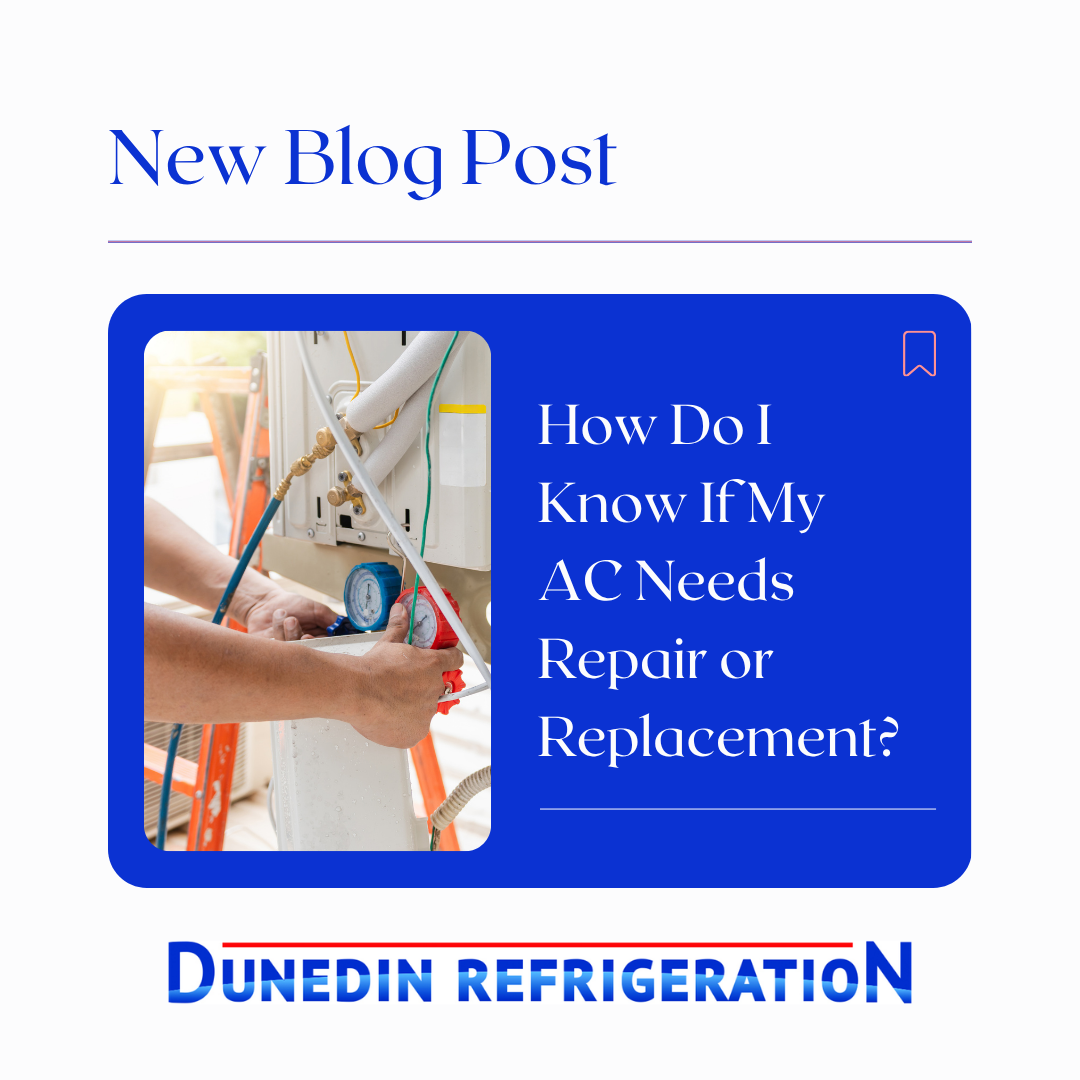
When your air conditioner starts acting up, one of the first questions that comes to mind is: Should I schedule AC repair, or is it time for an air conditioner replacement?
It is a common concern for homeowners, especially during hot weather when your cooling system becomes one of the most important appliances in your home. The answer depends on several factors, including the age of your unit, the cost of repairs, your energy bills, and how well your AC is keeping your home comfortable.
The good news is that not every AC problem means you need a new system. In many cases, a professional AC repair can restore comfort quickly and affordably. However, there are situations where replacing your air conditioner may save you more money, stress, and energy in the long run.
Below, we will walk through the most common signs your AC needs repair, when replacement makes more sense, and how to make the best decision for your home.
Signs Your AC May Only Need Repair
Many air conditioning problems can be fixed with a timely repair, especially if your unit is still relatively new and has been maintained properly. If you notice any of the following issues, your system may simply need professional AC repair.
1. Your AC Is Blowing Warm Air
If your air conditioner is running but the air coming from the vents feels warm or only slightly cool, there may be an issue with the thermostat, refrigerant levels, compressor, or airflow. This does not always mean your system needs to be replaced.
A trained HVAC technician can inspect the unit and determine whether the problem is a simple fix or a sign of a larger issue.
2. Weak Airflow From the Vents
Poor airflow can make certain rooms feel warmer than others, even when your AC is running. This may be caused by a clogged air filter, blocked ductwork, blower motor problems, or dirty evaporator coils.
In many cases, weak airflow can be corrected with cleaning, filter replacement, duct inspection, or component repair.
3. Strange Noises Coming From the Unit
A healthy air conditioner should run with a steady, low sound. If you hear banging, grinding, rattling, buzzing, or squealing, something may be loose, worn, or malfunctioning.
These noises should not be ignored. Catching the problem early can prevent minor AC repair needs from turning into major system damage.
4. Your AC Cycles On and Off Too Often
Short cycling happens when your AC turns on and off frequently without completing a full cooling cycle. This can be caused by thermostat issues, dirty coils, restricted airflow, refrigerant problems, or an improperly sized system.
If the issue is related to a specific component, repair may be enough. However, if the unit is oversized or aging, replacement may be worth discussing.
5. Water or Refrigerant Leaks
A small amount of condensation is normal, but visible water pooling around your indoor unit is not. It may indicate a clogged drain line, frozen coil, or drainage problem.
Refrigerant leaks are more serious and should always be handled by a licensed HVAC professional. Depending on the age and condition of your system, your technician may recommend repair or replacement.
Signs It May Be Time for Air Conditioner Replacement
While repairs can solve many problems, there comes a point when continuing to fix an old or inefficient system is no longer the best investment. Here are signs that air conditioner replacement may be the smarter choice.
1. Your AC Is More Than 10–15 Years Old
Most air conditioners last around 10 to 15 years with regular maintenance. If your system is within or beyond that age range, repairs may become more frequent and less cost-effective.
Older systems also tend to use more energy than newer high-efficiency models. If your AC is aging and struggling to cool your home, replacement may provide better comfort and lower monthly utility bills.
2. Repair Costs Are Getting Too High
A common rule many homeowners use is this: if the repair cost is close to 50% of the cost of a new system, replacement may be the better option.
For example, if your AC needs a major repair such as a compressor replacement and the system is already older, putting that money toward a new unit may make more financial sense.
3. You Need Repairs Every Year
One repair may not be a big deal. But if you are calling for AC repair every season, your system may be nearing the end of its service life.
Frequent repairs can quickly add up. They can also leave you dealing with repeated breakdowns, uncomfortable indoor temperatures, and unexpected expenses.
4. Your Energy Bills Keep Rising
If your energy bills are increasing even though your usage has not changed, your AC may be losing efficiency. Older or worn-out systems often have to work harder to cool the same space.
A new air conditioner replacement can improve energy efficiency, reduce monthly costs, and help your home stay more comfortable during peak cooling season.
5. Your Home No Longer Feels Comfortable
If your AC runs constantly but your home still feels hot, humid, or unevenly cooled, your system may no longer be able to keep up.
High indoor humidity, hot spots, and inconsistent temperatures can all be signs that your air conditioner is underperforming. A professional HVAC evaluation can determine whether repair, duct improvements, or replacement is the best solution.
Should I Repair or Replace My Air Conditioner?
The best choice depends on your system’s age, condition, repair history, and overall efficiency. Here are some helpful guidelines:
Consider AC repair if:
- Your system is less than 10 years old.
- The repair is minor or affordable.
- Your unit has been well maintained.
- Your energy bills are still reasonable.
- This is your first major AC issue.
Consider air conditioner replacement if:
- Your system is more than 10–15 years old.
- Repairs are becoming frequent.
- The repair cost is very high.
- Your energy bills continue to rise.
- Your home is not cooling evenly.
- Your system uses outdated refrigerant.
- You want better efficiency and long-term savings.
A trusted local HVAC technician can help you compare the cost of repair versus replacement and explain your options clearly.
The Importance of a Professional AC Inspection
Trying to guess whether your AC needs repair or replacement can be frustrating. That is why a professional inspection is so important.
During an AC inspection, a technician may check:
- Thermostat settings and calibration
- Air filters and airflow
- Electrical connections
- Refrigerant levels
- Condenser and evaporator coils
- Drain lines
- Blower motor and fan components
- Compressor performance
- Ductwork condition
- Overall system efficiency
After the inspection, your HVAC technician can tell you whether a repair will solve the problem or whether replacing the system would be more cost-effective.
How Regular Maintenance Helps Delay Replacement
One of the best ways to avoid unexpected breakdowns is to schedule regular AC maintenance. A well-maintained system runs more efficiently, lasts longer, and is less likely to need emergency repairs.
Regular maintenance can help:
- Improve cooling performance
- Lower energy bills
- Reduce wear and tear
- Prevent costly breakdowns
- Extend the life of your system
- Improve indoor air quality
- Keep your manufacturer warranty valid
Ideally, your AC should be serviced at least once a year, preferably before the hottest months arrive.
FAQ: AC Repair vs. Air Conditioner Replacement
1. Should I repair or replace my air conditioner?
You should repair your air conditioner if it is newer, the issue is minor, and the repair cost is reasonable. You should consider air conditioner replacement if your unit is over 10–15 years old, needs frequent repairs, or no longer cools your home efficiently.
2. How much does AC repair usually cost?
AC repair costs vary depending on the problem, parts needed, and the condition of your system. Minor repairs may be relatively affordable, while major repairs such as compressor or coil replacement can cost much more. A professional HVAC inspection is the best way to get an accurate estimate.
3. When is air conditioner replacement better than repair?
Air conditioner replacement is usually better when your system is old, inefficient, unreliable, or expensive to repair. If the repair cost is close to half the cost of a new system, replacement may offer better long-term value.
Schedule Trusted Local AC Repair or Replacement Service
When your cooling system is not working properly, you need honest answers and dependable service. Whether you need fast AC repair, a full system inspection, or expert guidance on air conditioner replacement, our local HVAC team is here to help.
We will inspect your system, explain your options clearly, and recommend the solution that makes the most sense for your home, comfort, and budget.
Do not wait until a small AC issue becomes a major breakdown. Contact our HVAC experts today to schedule your AC repair or replacement consultation and keep your home cool, comfortable, and energy efficient.