
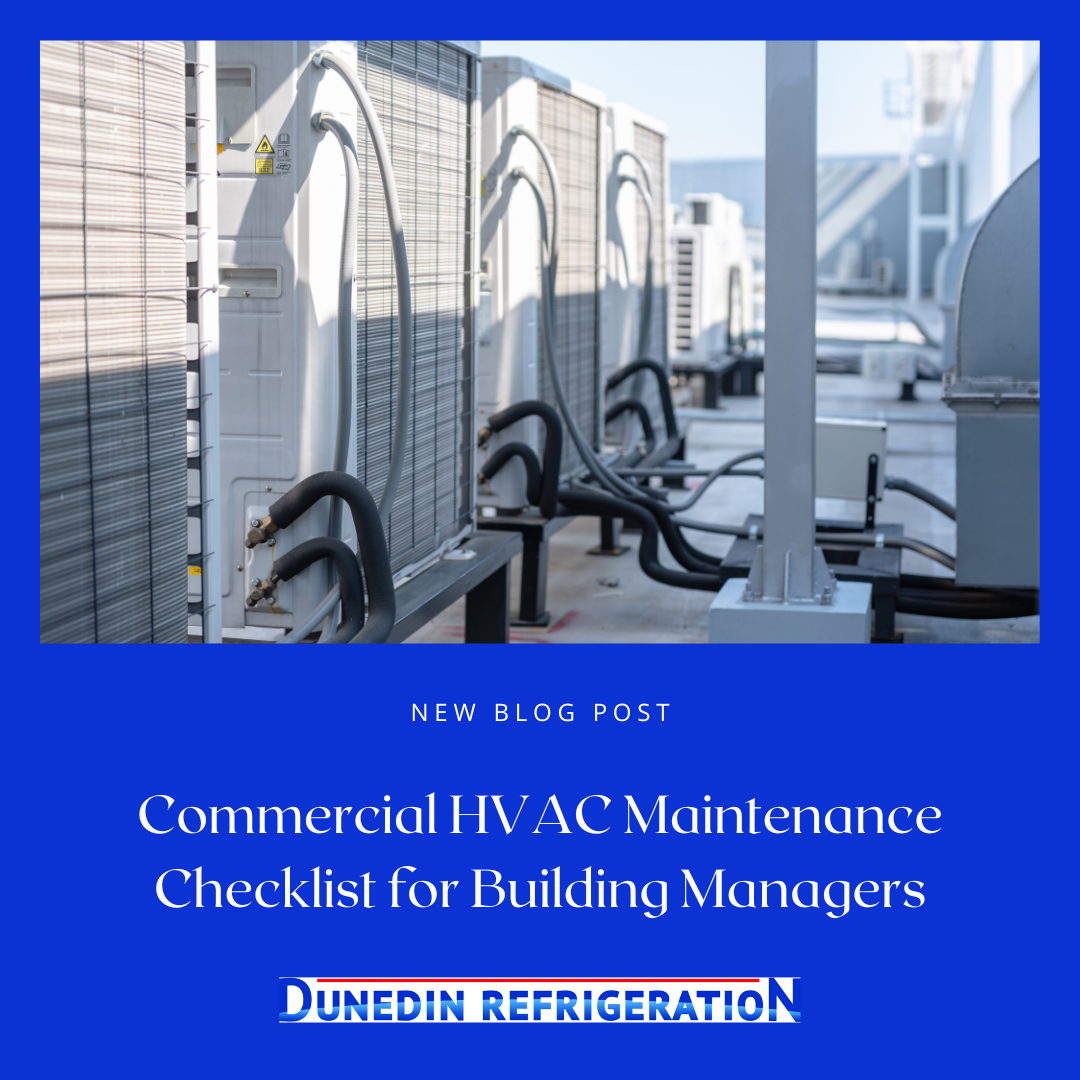
For building managers, facility directors, and business owners, a reliable HVAC system is more than a comfort feature. It affects tenant satisfaction, employee productivity, indoor air quality, operating costs, equipment lifespan, and even business continuity. When a commercial heating or cooling system fails, the impact can be immediate: uncomfortable occupants, emergency repair costs, disrupted operations, and potential complaints from tenants or customers.
That is why commercial HVAC maintenance should never be treated as an afterthought. A proactive maintenance plan helps keep equipment running efficiently, reduces the risk of unexpected breakdowns, and gives building managers better control over long-term repair and replacement costs.
So, what should be included in a commercial HVAC maintenance checklist? At a minimum, it should include filter replacement, coil inspection, belt and motor checks, thermostat and control testing, refrigerant inspection, electrical testing, drain line cleaning, airflow checks, duct inspection, safety controls, and documentation of system performance.
Below is a practical commercial HVAC maintenance checklist building managers can use to stay organized and protect their property’s heating and cooling systems.
Why Commercial HVAC Maintenance Matters
Commercial HVAC systems often run longer and harder than residential systems. Offices, retail spaces, restaurants, medical facilities, warehouses, schools, and multi-tenant buildings all have different heating, cooling, ventilation, and air quality demands.
Without regular maintenance, small problems can quickly become expensive repairs. A clogged filter can reduce airflow. A dirty coil can increase energy use. A worn belt can affect fan performance. A blocked drain line can cause water damage. Loose electrical connections can create safety issues or system failure.
Routine commercial HVAC maintenance can help:
- Lower monthly energy costs
- Reduce emergency breakdowns
- Improve indoor comfort
- Support better indoor air quality
- Extend equipment lifespan
- Protect manufacturer warranties
- Improve system reliability
- Reduce tenant and occupant complaints
- Identify repair needs early
- Support safer building operations
For building managers, maintenance is not just about equipment. It is about preventing avoidable problems before they affect the people inside the building.
How Often Should Commercial HVAC Maintenance Be Done?
Most commercial HVAC systems should be serviced at least twice a year: once before cooling season and once before heating season. However, many commercial properties need quarterly or even monthly maintenance depending on system size, building use, occupancy, and operating hours.
A general schedule may look like this:
- Monthly: Check filters, visible leaks, thermostat operation, and unusual noises.
- Quarterly: Replace filters, inspect belts, check electrical connections, review airflow, and inspect drains.
- Semi-annually: Perform full cooling and heating tune-ups before peak seasons.
- Annually: Review system performance, maintenance records, energy use, ductwork, and long-term equipment planning.
Buildings with heavy use, sensitive occupants, critical operations, or specialized ventilation needs may require a customized maintenance plan.
Commercial HVAC Maintenance Checklist
A thorough HVAC maintenance checklist helps building managers ensure that important tasks are not overlooked. While the exact checklist may vary by system type, most commercial properties should include the following items.
1. Inspect and Replace Air Filters
Air filters are one of the most important parts of any commercial HVAC system. They help protect equipment and improve indoor air quality by capturing dust, debris, pollen, and other airborne particles.
During maintenance, technicians should:
- Inspect all filters
- Replace dirty or clogged filters
- Confirm the correct filter size and rating
- Check filter racks for gaps or bypass air
- Record filter replacement dates
- Recommend better filtration if needed
Dirty filters can restrict airflow, increase energy use, reduce comfort, and strain blower motors. In commercial buildings, filters may need to be replaced more often than in homes, especially in high-traffic spaces or dusty environments.
2. Check Thermostats and Building Controls
Thermostats, sensors, zoning systems, and building automation controls help regulate temperature and system operation. If controls are inaccurate, the HVAC system may run longer than necessary or fail to maintain comfort.
A maintenance checklist should include:
- Testing thermostat accuracy
- Reviewing temperature setpoints
- Checking programmable schedules
- Inspecting zone controls
- Confirming sensor placement
- Testing communication with equipment
- Reviewing building automation settings
For multi-tenant buildings, control issues can lead to uneven temperatures and frequent comfort complaints. Regular testing helps keep the system operating as intended.
3. Inspect Electrical Components
Commercial HVAC systems rely on electrical components to start, run, and shut down safely. Loose wiring, worn contactors, weak capacitors, and damaged connections can lead to unreliable operation or safety risks.
Technicians should check:
- Voltage and amperage
- Electrical connections
- Contactors and relays
- Capacitors
- Disconnect switches
- Control wiring
- Fuses and breakers
- Signs of overheating or corrosion
Electrical issues should always be handled by qualified HVAC professionals. Catching these problems early can prevent system failure and reduce safety concerns.
4. Inspect Belts, Bearings, and Motors
Many commercial HVAC systems use belts, bearings, pulleys, and motors to move air through the building. These parts experience wear over time and should be inspected regularly.
A maintenance visit should include:
- Checking belt tension
- Looking for cracked or worn belts
- Inspecting pulleys
- Listening for motor noise
- Checking motor operation
- Lubricating moving parts when required
- Inspecting bearings
- Reviewing fan performance
A worn belt or failing motor can reduce airflow, increase energy use, and eventually cause system shutdown.
5. Clean and Inspect Coils
Evaporator and condenser coils play a major role in heat transfer. When coils become dirty, the system must work harder to heat or cool the building.
Technicians should:
- Inspect indoor and outdoor coils
- Clean coils when needed
- Remove debris around outdoor units
- Check for coil damage
- Inspect coil fins
- Look for signs of freezing or restricted airflow
- Check temperature performance
Dirty coils can lead to higher utility bills, poor comfort, compressor strain, and reduced system lifespan.
6. Check Refrigerant Levels and Cooling Performance
For cooling systems, refrigerant levels must be correct for efficient operation. Low refrigerant may indicate a leak and can cause poor cooling, frozen coils, or compressor damage.
During commercial HVAC maintenance, technicians should:
- Check refrigerant pressure
- Look for signs of leaks
- Inspect refrigerant lines
- Review cooling performance
- Check superheat and subcooling when applicable
- Confirm system operation matches manufacturer specifications
Refrigerant work should only be performed by trained and licensed technicians.
7. Clear Condensate Drains and Drain Pans
Commercial cooling systems remove moisture from indoor air. That moisture collects in drain pans and exits through condensate drain lines. If drains clog, water can overflow and cause property damage.
A checklist should include:
- Inspecting drain pans
- Clearing condensate lines
- Checking for algae or buildup
- Testing drainage
- Looking for standing water
- Checking overflow safety switches
- Inspecting for water damage near equipment
In humid climates or high-use buildings, drain lines may need more frequent attention.
8. Test Airflow and Ventilation
Proper airflow is essential for comfort, efficiency, and indoor air quality. Poor airflow can cause hot and cold spots, high humidity, equipment strain, and occupant complaints.
Technicians should inspect:
- Supply airflow
- Return airflow
- Outdoor air intake
- Exhaust systems
- Dampers
- Vents and registers
- Air balance
- Fan operation
- Duct restrictions
Commercial buildings may also have ventilation requirements based on occupancy and use. A professional HVAC contractor can help ensure the system is providing appropriate air movement.
9. Inspect Ductwork and Rooftop Units
Many commercial systems include rooftop units, ductwork, dampers, curbs, economizers, and packaged equipment. These components should be inspected regularly because they are exposed to weather, debris, and wear.
Maintenance should include:
- Inspecting duct connections
- Looking for visible duct leaks
- Checking insulation
- Inspecting rooftop unit panels
- Confirming access doors are secure
- Checking weather seals
- Inspecting economizer operation
- Removing debris around rooftop units
Rooftop equipment should be safely accessed only by trained professionals with proper equipment.
10. Test Heating Components and Safety Controls
Before heating season, commercial heating equipment should be inspected for safe and reliable operation.
Depending on the system, technicians may check:
- Burners
- Ignition system
- Heat exchanger
- Flame sensor
- Gas pressure
- Gas connections
- Venting
- Limit switches
- Safety controls
- Carbon monoxide concerns
- Furnace or boiler operation
Safety checks are especially important for gas heating systems. Any concerns should be addressed before the system is used heavily.
11. Review Energy Use and System Performance
Commercial HVAC maintenance should include more than mechanical checks. Building managers should also review performance trends.
Important records include:
- Energy bills
- Repair history
- Filter replacement dates
- Tenant comfort complaints
- Equipment age
- Recurring problems
- System run times
- Maintenance reports
- Recommended repairs
- Replacement planning notes
These records help building managers budget more accurately and make informed decisions about repairs, upgrades, and future replacement.
Building Manager Monthly HVAC Walkthrough Checklist
Between professional service visits, building managers can perform simple visual checks.
Monthly walkthrough items include:
- Listen for unusual noises.
- Check for hot or cold complaints.
- Inspect visible leaks around equipment.
- Confirm thermostats are set properly.
- Make sure vents are not blocked.
- Look for unusual odors.
- Check filter status if accessible.
- Make sure outdoor or rooftop units are not blocked.
- Review recent energy bills.
- Report issues before they become emergencies.
These steps do not replace professional maintenance, but they help catch warning signs early.
FAQ: Commercial HVAC Maintenance Checklist
1. What should be included in a commercial HVAC maintenance checklist?
A commercial HVAC maintenance checklist should include filter replacement, thermostat testing, electrical inspections, belt and motor checks, coil cleaning, refrigerant checks, condensate drain cleaning, airflow testing, duct inspection, heating safety checks, and detailed maintenance documentation.
2. How often should commercial HVAC systems be maintained?
Most commercial HVAC systems should be maintained at least twice a year, before cooling and heating seasons. High-use buildings, multi-tenant properties, restaurants, medical offices, and facilities with heavy occupancy may need quarterly or monthly maintenance.
3. Why is commercial HVAC maintenance important?
Commercial HVAC maintenance is important because it helps reduce breakdowns, lower energy costs, improve indoor comfort, support better air quality, extend equipment life, and prevent business disruptions. It also helps building managers identify repair needs before they become expensive emergencies.
Schedule Professional Commercial HVAC Maintenance
A reliable HVAC system is essential for keeping your building comfortable, efficient, and operational. Whether you manage an office, retail space, restaurant, medical facility, warehouse, or multi-tenant property, proactive maintenance can help prevent costly surprises.
Our local commercial HVAC team provides detailed inspections, preventive maintenance plans, repair recommendations, and dependable service tailored to your building’s needs. We will help you create a practical HVAC maintenance checklist, track system performance, and keep your equipment running safely and efficiently.
Do not wait for a breakdown to disrupt your building. Contact our commercial HVAC maintenance experts today to schedule service and protect your property, comfort, and operating budget.